
14-08-2026
Summary
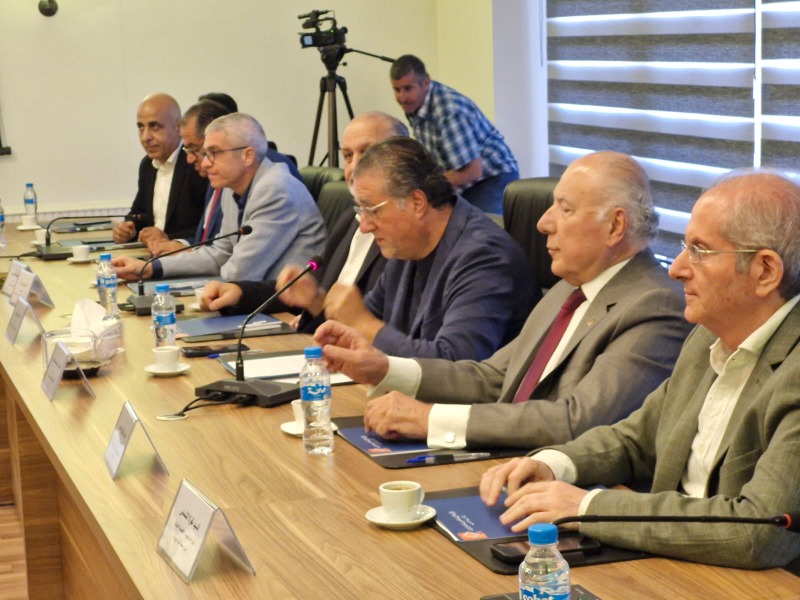
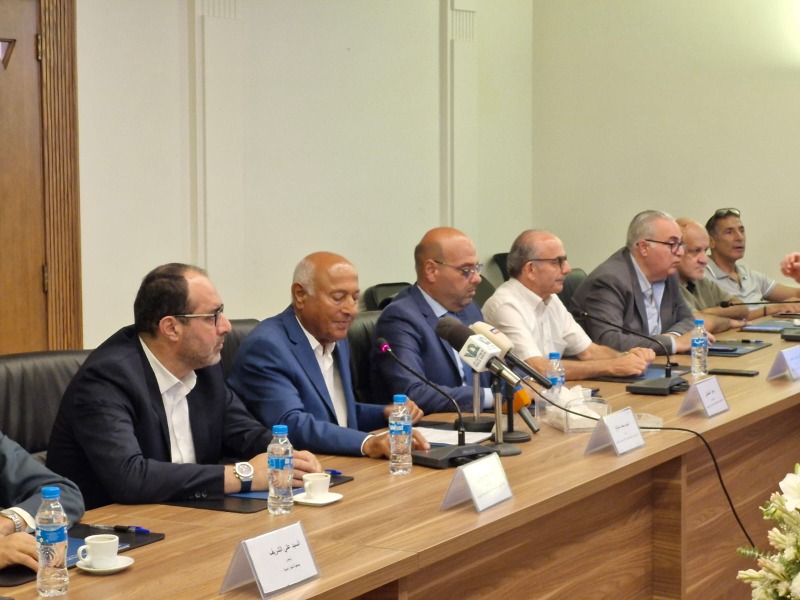
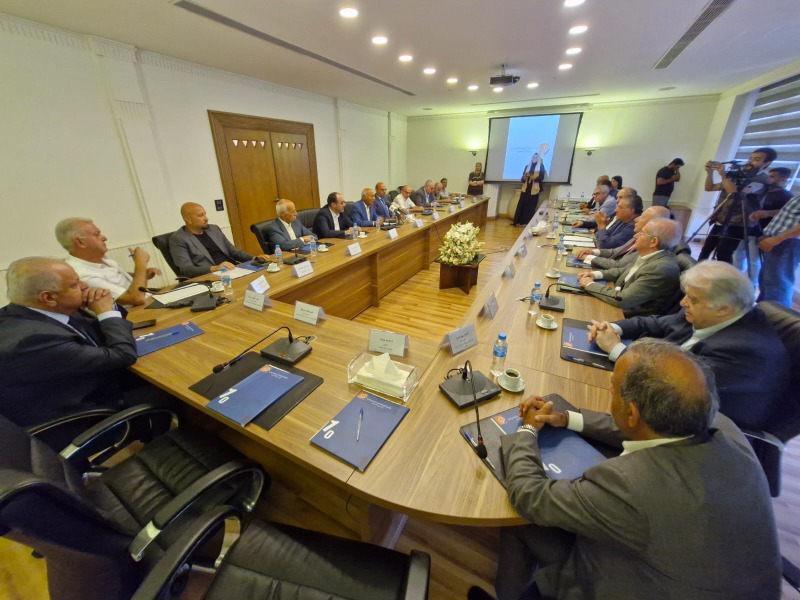
The Economic Bodies, headed by former Minister Mohamed Choucair, visited the Sidon and South Lebanon Chamber to support businesses affected by the conflict and discuss ways to revive the southern economy. The meeting focused on financing, restoring business activity, protecting jobs, and strengthening cooperation between the private sector and relevant authorities. Participants agreed to prepare a unified proposal containing practical recommendations to be presented to the government and donor organizations.
Description
Sidon, August 12, 2026
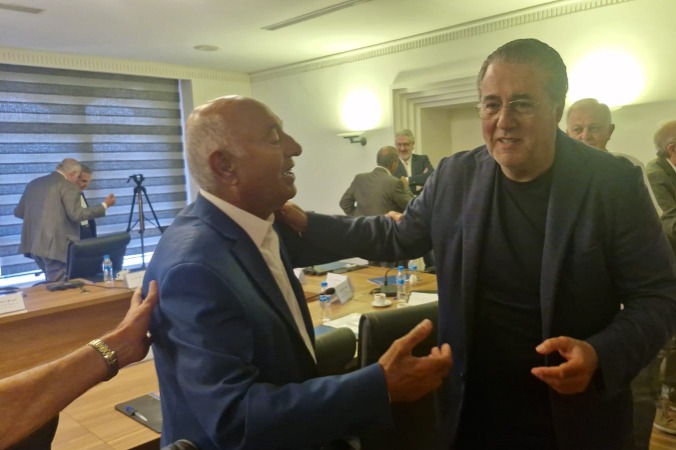
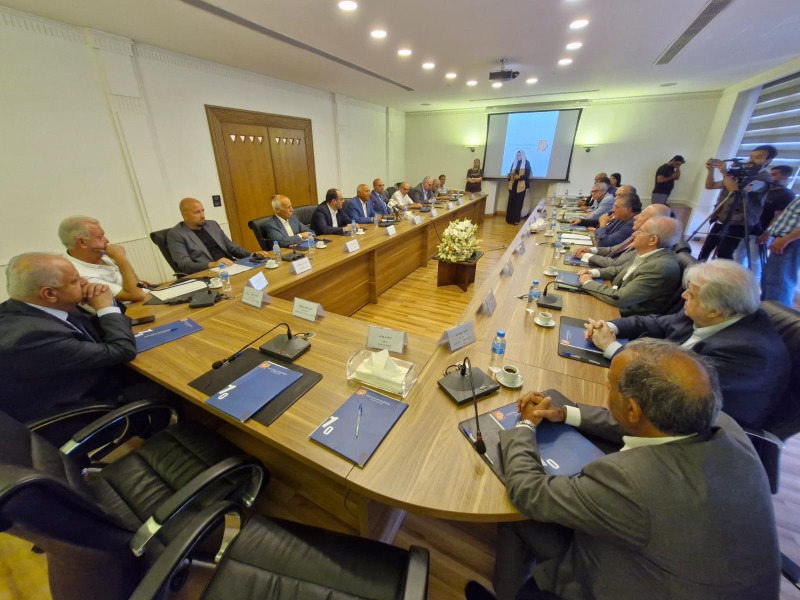
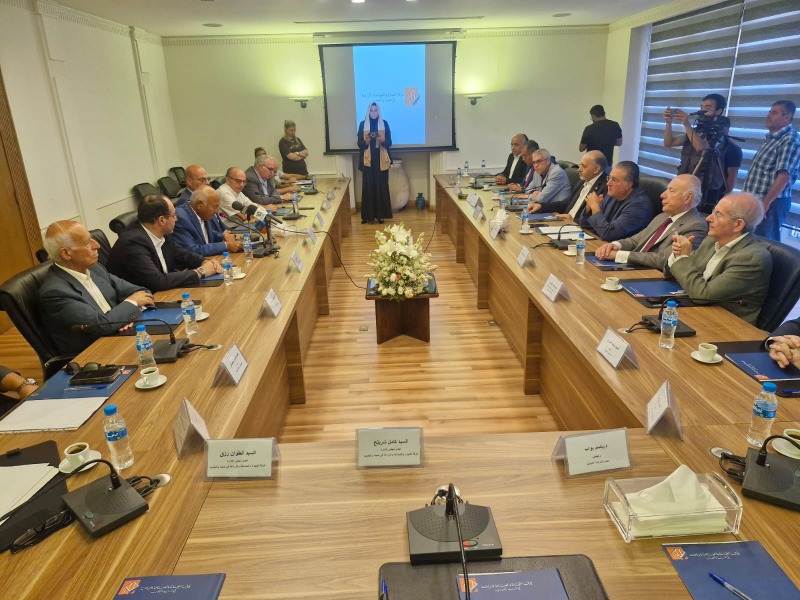
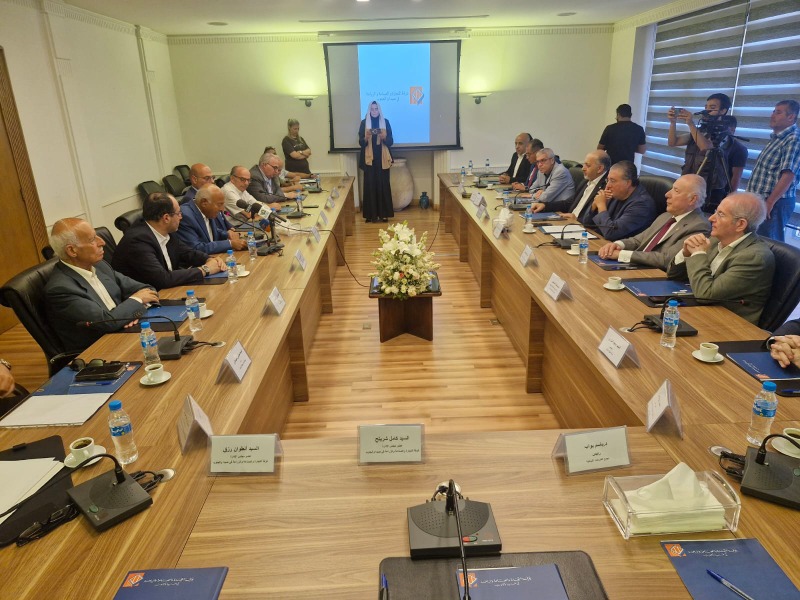
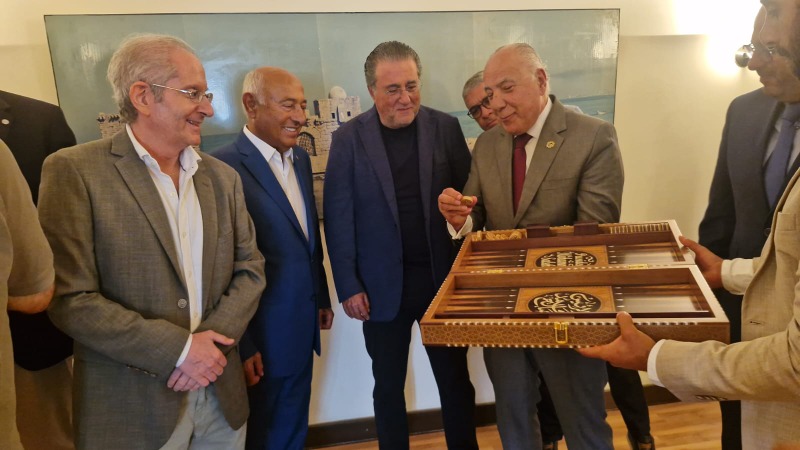
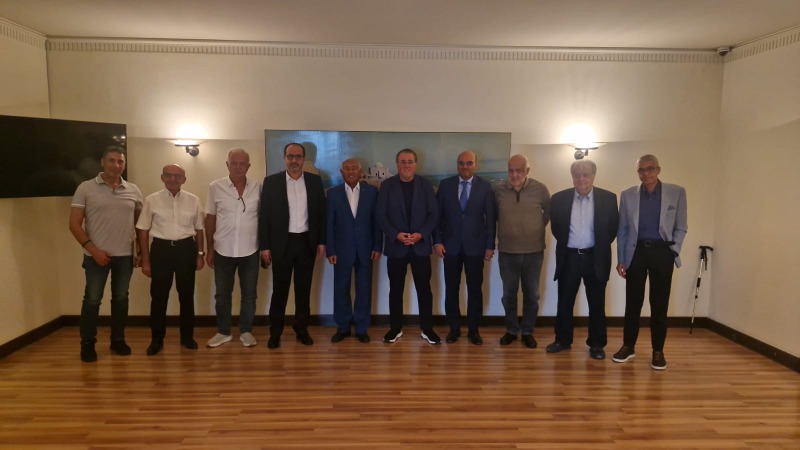
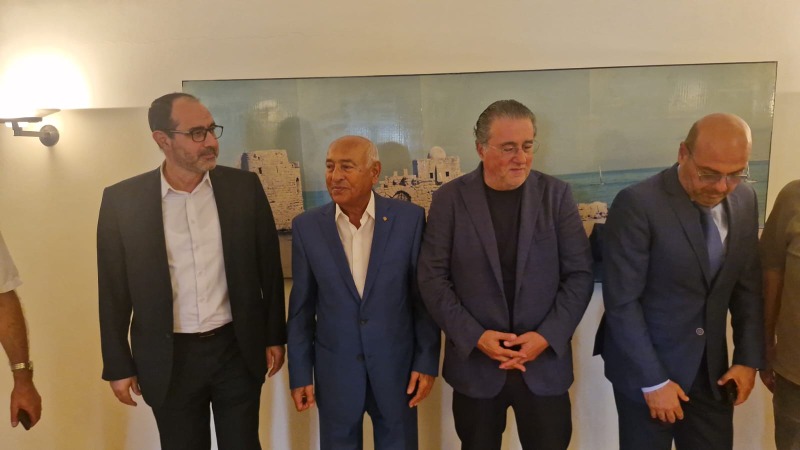
The Economic Bodies, headed by former Minister Mohammad Choucair, visited the Chamber of Commerce, Industry and Agriculture in Sidon and South Lebanon at the invitation of its President, Mohammad Saleh, in a show of solidarity with and support for the private sector in Sidon and South Lebanon. The visit also aimed to discuss the requirements for supporting private enterprises and the practical mechanisms needed to revive the economy of Sidon and South Lebanon.
During the meeting, participants discussed a number of practical steps and measures to assist affected businesses and reactivate economic activity in Sidon and the South.
Attendance
In addition to Choucair and Saleh, the meeting was attended on behalf of the Economic Bodies by President of the Chamber of Commerce, Industry and Agriculture of Tripoli and North Lebanon Toufic Dabboussi; President of the Chamber of Commerce, Industry and Agriculture of Zahle and the Bekaa Mounir El Tini; President of the Beirut Traders Association Nicolas Chammas; President of the International Chamber of Commerce – Lebanon Wajih Bizri; Vice President of the Beirut and Mount Lebanon Chamber Gaby Tamer; President of the Lebanese-Gulf Economic Relations Development Authority Elie Rizk; Director General of the Beirut and Mount Lebanon Chamber Rabih Sabra; Secretary of the Economic Bodies Alphonse Dib; and President of the Lebanese Tax Association Hicham El Mekmel.
Representing the Chamber of Sidon and South Lebanon were Vice Presidents Omar Dandachli and Jamal Jouni, Treasurer Samir Al Qotob, and Board Members Haitham Al-Joueidi, Kamel Chreiteh, Antoine Rizk, Ali Tabbaja, and Ibrahim Teirani. Also present were President of the Sidon Traders Association Ali Al Sharif, President of the Nabatieh Traders Association Moussa Chmeissani, and Secretary-General for External Relations at the Association of Lebanese Industrialists Mounir Bsat.
Saleh
Opening the meeting, Saleh said:
“Welcome to the Chamber of Commerce, Industry and Agriculture in Sidon and South Lebanon. We thank you for this visit, which we consider a genuine message of support and solidarity with the economic sector in the South, as well as with its institutions, business owners, professionals and economic initiatives.”
Saleh added that “your presence among us today carries more than one meaning. It confirms that Lebanon’s Economic Bodies stand united alongside the South and believe that supporting the economy and productive enterprises is an essential part of resilience and recovery.”
He stressed: “We highly appreciate your initiative today and hope that this visit will mark the beginning of an ongoing process of cooperation and coordination. Together, we hope to transform solidarity into practical steps and genuine support projects that benefit the economy of the South, its institutions and its people.”
Saleh renewed his thanks for their support, “for a stronger economy in the South, a more resilient private sector and a better future for Lebanon.”
Choucair
Choucair said that the presence of the Economic Bodies at the Chamber of Sidon and South Lebanon “is not only intended to express solidarity and stand alongside businesses and the economy in the South, across all its regions and sectors, following the severe damage and significant losses caused by the Israeli aggression, at a time when large parts of the economy and productive sectors remain disrupted as a result of the occupation and its repercussions.”
“Our presence today,” he continued, “is also aimed at examining the requirements for supporting these institutions and developing practical mechanisms capable of reviving the economies of Sidon and the South, while strengthening their ability to restore their activity and vital role in the national economy.”
Choucair emphasized that “our meeting today at the Chamber of Sidon and South Lebanon also sends a clear message that Sidon and the South are at the heart of the Lebanese economy, and that working toward their recovery and revitalization is both a national duty and an urgent necessity for restoring the health of the national economy as a whole.”
He noted that what is required today is “to move from the stage of solidarity with the South to the stage of concrete action for its economic recovery by supporting affected enterprises, providing them with the necessary financing, and creating the conditions that allow them to resume their activities and preserve employment opportunities.”
Choucair added: “We, at the Economic Bodies, will continue to stand alongside the Chamber of Sidon and South Lebanon and the private sector. We will work to convey the demands of businesses to the relevant authorities and push for rapid and effective measures that help the economy of the South recover.”
He stressed that “the South is not merely part of the Lebanese economy; it is a fundamental component of it. Its recovery is an inseparable part of the recovery of the national economy. We are confident that Sidon and the South, with the capabilities and institutions they possess, are able to overcome this difficult period and restore their economic and developmental role.”
Discussion
A discussion then took place among the participants, during which a number of practical proposals were presented to help affected businesses recover and restart economic activity in Sidon and South Lebanon.
It was agreed to prepare a unified paper incorporating all the proposals raised during the meeting and to present it to government authorities and donor organizations with the aim of putting the proposed measures into implementation.